
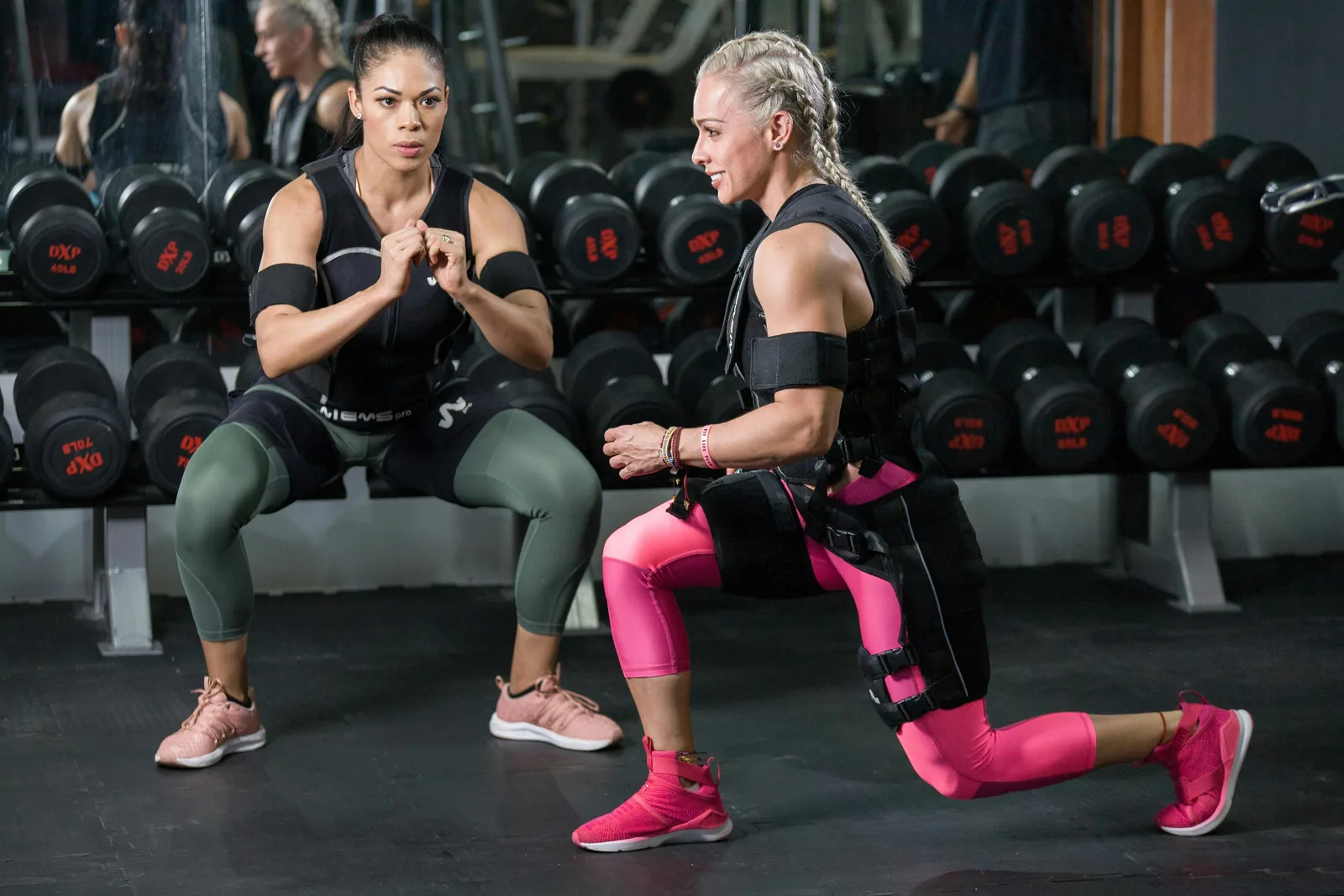
Dinner is over, the plates are stacked, and someone says it again: “We should really start exercising.” Everyone agrees. Nobody moves. The idea of the whole household training together comes up every few months in many Filipino homes and quietly dies each time, usually because nobody knows what it would actually look like.
Small group training with family, meaning two to four relatives working out together with one coach, is one of the more practical ways to turn that dinner-table promise into something that happens. It also has some real pitfalls. Here is how to set it up so it lasts past the second week.
Why families train well together
The obvious advantage is cost sharing, since one coach’s time is split between two to four people. The less obvious advantage is that a family already has the thing most exercise groups lack: a shared schedule and a shared front door. Nobody has to text “are you still coming” or wait for a friend stuck on NLEX.
There is also the household effect. When two or three people in a home are training, the shopping list changes, the ulam gets a little less oily, and the rice portion at dinner shrinks without a big announcement. A single person trying to change their habits in a house full of people who are carrying on as before usually finds it exhausting. A group shifts the whole kitchen a little.
Picking who is in the group
Two to four is the right size for a reason. With more than that, one coach cannot watch everyone’s form, and the session becomes a class rather than coaching. With two, each person gets close attention. With four, the energy is higher but the individual corrections are fewer.
Mixed ages work better than most people expect. A common set-up is a parent in their forties or fifties, an adult child, and sometimes lola joining for the warm-up and the gentler parts. The trick is that the group shares a session, and each person has their own version of each exercise. The teenager does full push-ups, the parent does them on the knees, lola does them against the wall. Same movement, same rhythm, three different levels.
Personalities matter as much as fitness. The relative who turns every activity into a competition will need a quiet word beforehand. The one who gives up when things get hard needs a version of each exercise that guarantees an early success. A good coach reads this within the first session, but it helps to be honest about it when filling in the enquiry form.
Making the schedule stick
The schedule kills more family fitness plans than the exercises ever do. Pick a slot that already exists in the household rhythm. Early Saturday morning before the palengke run. Sunday afternoon before the family visits start. Weekday evenings after the last commuter is home and has changed out of their office clothes.
Then protect it the same way the family protects Sunday mass or a birthday dinner. Put it in the group chat, write it on the fridge calendar, and treat a session as a fixed appointment rather than something that happens if nobody is tired. Everyone will be tired. That is normal, and the session usually fixes it.
Pick a duration that fits the slot. Most families find that a shorter session everyone attends beats a long one that half the group skips. The coach can adjust the plan for whatever time is available.
The space and what to clear
The sala is the most common training room in the country, and it works. Two by two metres of clear floor per person is the rough target, so a family of three needs the dining chairs pushed back and the centre table moved to the wall. In a condo, the hallway plus the living area often does it, or the building’s function room or gym if residents can book it.
Village clubhouses and covered courts are the underused option. Most have space, shade and a breeze, and many can be reserved by residents for an hour at little or no cost. A covered court at seven in the morning with a fan plugged into the extension is a better gym than most people have access to.
Have a mat per person, a towel each, and water bottles labelled so nobody drinks from the wrong one. The coach brings the resistance bands, dumbbells or kettlebells (heavy metal weights with a handle) according to what was agreed after the assessment. There is no need to buy anything before the first session.
Keep the fan pointed at the group and the windows open. On brownout days, move the session to the shadiest part of the house or the outdoor space, and shorten it.
Sharing the coach’s attention fairly
A family session has a rhythm: warm-up together, then a circuit where each person works at their own station while the coach moves between them, then a group finish, then a cool-down. Nobody stands waiting for long, and the coach can spend an extra minute with whoever needs it that day.
The fairness question comes up more than anyone expects. The person who is furthest from their goal may feel they are getting less attention because their exercises look easier. The strongest may feel held back. The answer is that each person’s plan is written for them, and the shared session is simply where those plans happen side by side. Ask the coach to explain each person’s progression out loud so everyone can see it.
Older relatives need a special note. If lolo or lola joins, they should have a doctor’s go-ahead if they have a heart condition, recent surgery, osteoporosis or a recent fall, and their version of the session should be gentle: chair work, wall push-ups, marching in place. They do the warm-up and the finish with everyone else and sit out the hard middle. Being in the room matters more than matching the pace.
Keeping it going after the novelty wears off
The first fortnight is easy because it is new. The fourth week is where families either settle in or drift. A few things help.
Keep the food talk light. Nobody wants a family session to turn into a lecture about the rice at dinner. Small, shared changes, such as more gulay in the ulam, fruit for merienda a few days a week, and water at the table instead of soft drinks, land better than rules.
Let the goals be different. One person may want to lose weight, another to get stronger, a third to keep up with the kids at the covered court. Progress looks different for each, and it depends on the person, their starting point and their consistency. Nobody should compare their week to someone else’s.
Celebrate showing up rather than results. A month of sessions attended is worth more than any single measurement, and it is the thing that eventually produces the changes people care about.
Fit Bud runs family and small-group sessions at home across central Luzon and Metro Manila, and online anywhere in the Philippines, with a first session that includes a consultation, a short movement screen (a few basic movements the coach watches) for each person, and a written plan the household can keep on the fridge. Whether the family goes with a coach or runs it themselves, the principles above are what keep the plan alive past the second week.